Real admin tooling
We shape new features around the control surfaces your team already uses.
The goal is not to bolt on random screens. It is to make the new workflow feel native inside the operational environment your business already depends on.
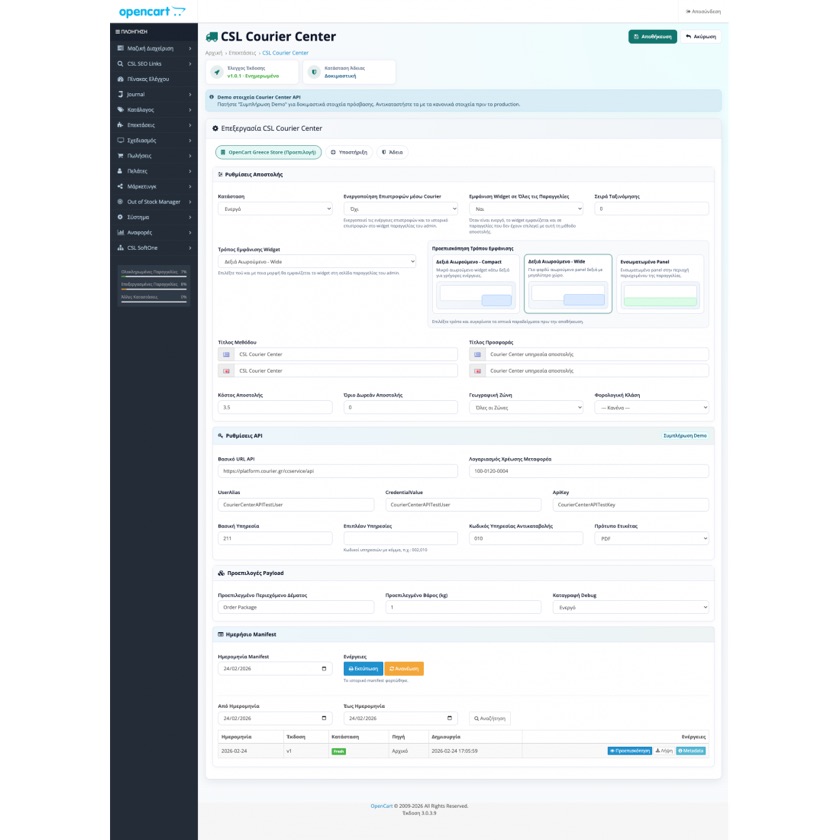



Custom development for business operations
We build custom modules, portals, admin tooling, B2B flows, and operational features for teams that have outgrown the limits of off-the-shelf plugins.
Real admin tooling
We shape new features around the control surfaces your team already uses.
The goal is not to bolt on random screens. It is to make the new workflow feel native inside the operational environment your business already depends on.
A custom project makes sense when the business process is valuable, repeatable, and too specific to be handled safely by generic plugins or manual workarounds.
If orders, pricing, stock, or account permissions depend on several people or systems, the solution needs to reflect that real structure instead of hiding it.
We build admin actions, dashboards, and internal utilities that reduce repetitive work and make daily handling more predictable.
We can review what is already there and decide whether refactoring, restructuring, or a new build is the safer route.
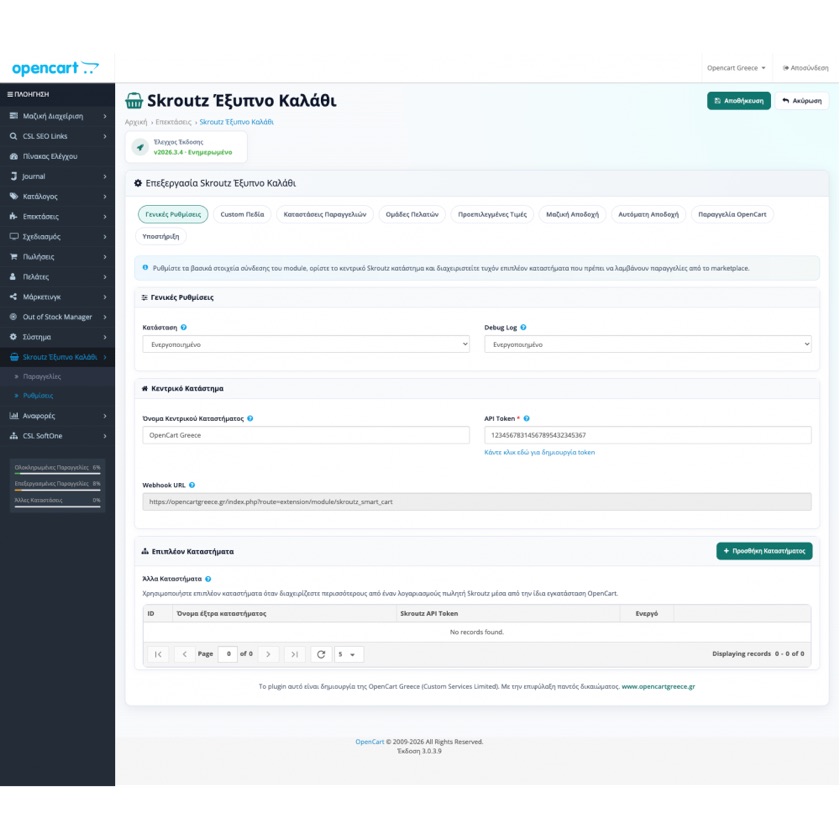
Commerce surfaces we usually extend
What we usually build
Some projects are a single business-critical feature. Others become the layer that connects teams, partner processes, and admin operations. The scope follows the workflow, not a template.
Features that depend on your pricing rules, user roles, order conditions, or internal approvals instead of default retail assumptions.
Interfaces and helper actions for the people who process orders, manage stock, or monitor exceptions throughout the day.
Projects that need to exchange information between the commerce platform and ERPs, CRMs, couriers, marketplaces, or internal apps.
When something already exists, we can stabilize it first and then move toward a cleaner structure instead of forcing a risky full rewrite.
We keep the project tied to actual users, systems, and rollout constraints so the final build is useful in production, not only in a demo.
We start with the actual workflow, friction points, and people affected before we decide how the system should change.
The requirement is translated into a realistic plan with clear priorities, dependencies, and an implementation path.
We decide where the control points, validations, and user actions belong so the result fits daily operations.
Critical business rules are reviewed during the build instead of waiting until the very end to discover mismatches.
Before launch or handover, we review behavior in realistic scenarios and define the right next step for support or expansion.
If the project needs fixes, monitoring, or a second implementation phase later, we can continue supporting the same codebase.
If the current setup cannot support the way your team actually works, we can help turn the requirement into a practical build plan and a maintainable implementation.