Real OpenCart admin surfaces
Extension work that fits the panel your team already uses
We design around the current store setup so new functionality lands in a familiar admin environment instead of creating a disconnected second system.
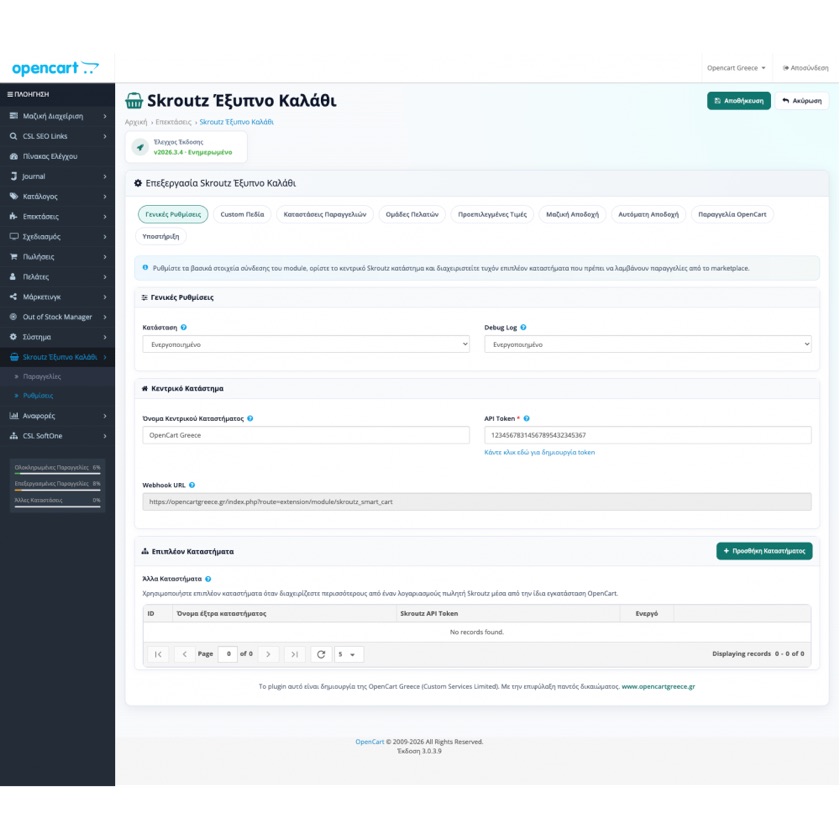



OpenCart extension development
We build custom OpenCart extensions for teams that need admin tools, checkout rules, automations, or integrations that ready-made plugins do not cover cleanly.
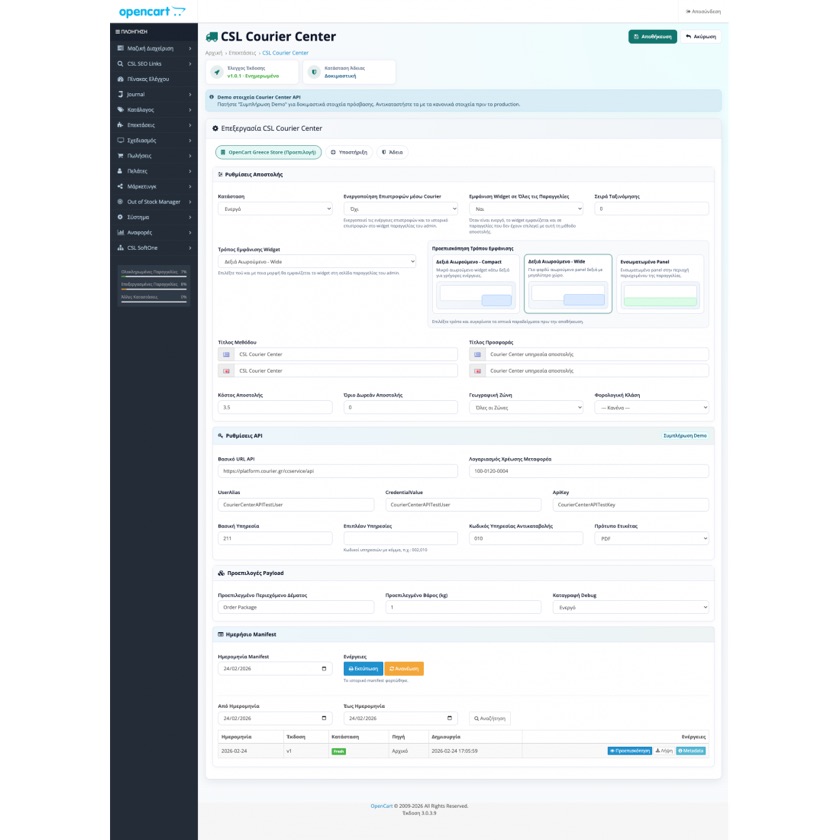
Real OpenCart admin surfaces
Extension work that fits the panel your team already uses
We design around the current store setup so new functionality lands in a familiar admin environment instead of creating a disconnected second system.
A custom extension makes sense when the business process is valuable enough to keep, but awkward enough that off-the-shelf plugins create manual work or compatibility risk.
Examples include pricing logic, approval steps, checkout conditions, or operational shortcuts that are specific to the way your team works.
We can add settings screens, internal actions, bulk tools, and status controls that make day-to-day handling faster and less error-prone.
If the provider API is available or an installed module can be extended safely, we can adapt the flow to your actual process instead of forcing workarounds.
Platforms we usually work with
What we usually build
Some projects are narrow and fast. Others become internal tools inside OpenCart. The build is shaped around the workflow, not around a preset module template.
Custom rules inside catalog, cart, checkout, or order processing when the default flow is too limited.
Operator-facing tools that reduce repetitive work and give the team clearer control over store operations.
Extension layers that connect OpenCart with couriers, marketplaces, ERPs, CRMs, or internal platforms.
When the project calls for it, we deliver work that your team can understand, maintain, and extend after launch.
Compatibility
Every custom OpenCart extension has to be designed around the store version, theme, OCMOD/VQmod changes, events, and the server PHP version. The same business workflow may require a different technical approach in OpenCart 3.x and OpenCart 4.x.
Before code is written, we check whether the solution should be an OCMOD, event-based module, admin tool, shipping/payment method, or full API integration.
Used carefully when compatibility with an existing theme or legacy extension layer is required.
Preferred for cleaner extensions and easier maintenance on newer versions.
Require logging, retries, timeout handling, and clean order-status mapping.
We keep the work tied to the real store setup, test path, and people who will use the extension after launch.
We collect the store setup, actors, rules, and exceptions so the build is scoped around the real process.
You get a realistic plan for what will be built, which dependencies matter, and how rollout should happen.
The extension is developed against the agreed specification with compatibility kept in view throughout the build.
Key paths are checked in a staging or safe environment before anything reaches the live store.
We install the extension, confirm the expected behavior, and stay available for follow-up work when needed.
It depends on the scope. Smaller tasks can move quickly, while more complex builds need a longer discovery, development, and testing phase.
Yes. That is part of the normal review process, and we aim to keep the new build compatible with the current store setup.
Yes. We can provide post-delivery support, maintenance, and follow-up improvements if the project needs them.
Yes, when the extension license and technical structure allow it, we can adjust the existing implementation instead of starting from zero.
If the project scope includes source handover, we can deliver it with the agreed documentation and support terms.
Send the brief, the current setup, and the outcome you need. We will help shape it into a stable extension instead of another fragile workaround.